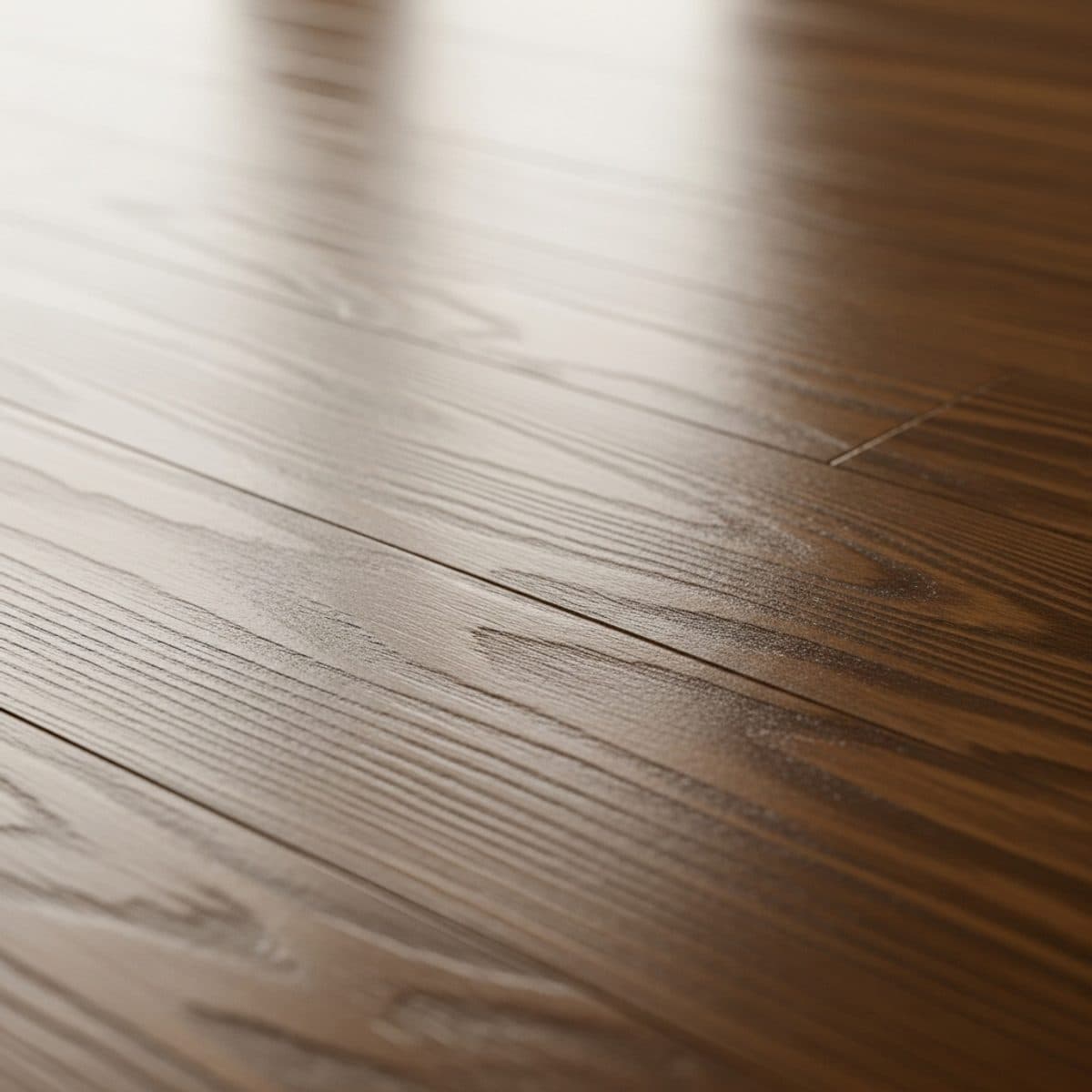
Hardwood never gets dirty overnight. It gets dirty over eighteen months of small things: grit at the entryway, cooking film drifting out of the kitchen, one more spritz of cleaner on top of last month's spritz. Each change is too small to notice, and then one day the sunlight hits the living room floor and you realize it's gone cloudy. Around Germantown, where mature-tree lots mean plenty of tracked-in debris and the summers run humid, that slide happens faster than homeowners expect.
Here's what's actually going on when a wood floor is neglected or, just as often, cleaned the wrong way.
Grit turns foot traffic into sanding
Loose dust and sand seem harmless until you picture what happens under a shoe. Every step drags those particles across the finish like fine sandpaper. Hallways and the kitchen-to-living-room path wear first, going dull while the corners stay bright, and that contrast is what makes a floor look worn out. The National Wood Flooring Association's first recommendation is the boring one for a reason: sweep, dust mop, or vacuum on a bare-floor setting, often. Dry soil removal prevents more damage than any mopping.
The haze is usually buildup, and more cleaner makes it worse
A cloudy floor is often in fine shape underneath. What you're seeing is layers: cleaning product residue, body oils, kitchen grease, and the dust clinging to all of it. The trap is that homeowners see haze, assume dirt, and apply more product, which adds another layer. Same story with a sticky floor that shows every footprint and grabs every pet hair. That tackiness is almost always overapplied cleaner, and it starts a cycle of mopping more and more often with worse and worse results.
The fix is restraint. Use a cleaner made for your specific finish, in the amount the label says, and nothing stronger. Bleach and ammonia products can strip finish outright. If you can't tell whether a dull patch is residue or worn finish, that's exactly the question a professional hardwood floor cleaning visit answers, since the haze has to come off before anyone can see what's under it.
Water is the damage you can't buff out
A soaked mop pushes water into the seams between boards, and repeated soakings lead to cupping, swelling, and finish failure. The NWFA warns against wet mops and steam mops on wood, full stop. Steam is the worst of both worlds, heat and moisture driven straight into the finish. Damp is the ceiling: a well-wrung pad, small sections, quick drying, no puddles. Spills get wiped the minute they land, especially pet accidents, which leave odor and dark marks when they sit. And an actual water event, a leak or flooding, is a restoration problem, no amount of routine mopping addresses it.
The quiet contributors
A few less obvious habits round out the damage list. Grit trapped under a chair leg grinds a scratch deeper every time someone sits down, so check those felt pads. Edges and baseboards collect a dark border of dust that open-floor mopping never touches. And the rugs protecting your busy areas collect fine soil that sifts through to the wood beneath, so lift them now and then, vacuum underneath, and have the rugs themselves cleaned when they're due.
One honest caveat: cleaning removes soil and residue, and that alone revives most dull floors. Deep gouges, sun fading, and finish worn through to bare wood are refinishing territory, which we'll tell you plainly if we see it.
If your floor stays cloudy after mopping or feels tacky underfoot, stop adding product and let us reset it. Our pH-neutral, low-moisture process is safe on finished, engineered, and prefinished wood, and the floor is walkable again in around an hour. Book Safe-Dry of Germantown online or call 901-530-8370 before the buildup gets another season's head start.