
Menu
Same-Day Service Available!

Tile floors are a popular choice for many homeowners. They appear in kitchens, bathrooms, and other high-traffic areas of the home. While tile is durable, it still needs regular cleaning to look its best. This article explains how to clean tile floors properly so they stay beautiful, bright, and free of grime.
Tile floors demand special care during cleaning. Each type of tile may require different techniques or products. Choosing the right supplies and following the proper steps ensures spotless results without damage.
Below, you’ll find the basics of tile cleaning: which cleaners work best, which methods to avoid, and how to maintain your floor long-term.
Cleaning tile floors starts with the right supplies. Begin by using a vacuum or broom to remove dirt, dust, and debris. Next, prepare a mop and a mild detergent solution. Always choose a pH-neutral product, which is gentle enough for tile yet effective at removing buildup.
Add a grout brush to your toolkit for scrubbing between tiles. If needed, apply a sealant afterward to protect the floor from staining and further buildup.

Before cleaning begins, prepare the room. Remove furniture and rugs to clear the floor. Close vents or doors to prevent dust from spreading to other areas. Vacuum or sweep thoroughly so no loose debris lingers on the tile.
Mix the cleaning solution according to the manufacturer’s instructions. Wear gloves and goggles if using chemical cleaners. Keep the area ventilated to stay safe while working. Once mixed, dip a mop or cloth into the solution and begin.
When mopping, move in one direction with overlapping strokes. Avoid scrubbing grout lines too hard, since that can weaken them over time. After mopping, let the floor dry completely before replacing furniture or walking on it.
Vacuuming plays a key role in cleaning tile floors. This step removes dust and dirt particles that could scratch the tile’s finish. Loose debris is also cleared away, making mopping more effective and thorough.
Tips for vacuuming tile floors:
By following these steps, you’ll protect both your tile floors and the vacuum itself.

After vacuuming, focus on spots and spills. Spot cleaning removes stains left behind by food, drinks, or grime.
Use warm water mixed with mild dish soap for everyday spots. For oil, paint, or gum, switch to a commercial cleaner and follow its directions. Always scrub gently with a soft-bristled brush to protect the tile. An old toothbrush works well for grout lines.
Once scrubbed, wipe the area with a damp cloth to remove residue. Finish by drying with a clean towel or paper towel. This prevents dull buildup and restores shine.
Some stains need more than basic spot cleaning. For heavy buildup, prepare a deep-cleaning solution.
Regular sweeping and quick cleanup of spills help reduce the need for deep cleans later.
Detergents with hot water are great for grease and dirt. Apply them with a mop in circular motions, avoiding direct scrubbing on grout. Wipe away residue with a cloth.
For tougher stains, bleach may work—but only on ceramic or porcelain tiles designed to handle it. Always dilute bleach before use to avoid damage.
Stone tiles like marble and granite require pH-neutral cleaners. These specialty solutions are available at home improvement stores. Always follow the instructions for safe use.
Grout stains are common and need special care. Begin with equal parts white vinegar and water. Apply, then scrub with a bristled brush.
For persistent stains:
Mopping regularly prevents grout stains from forming. Use a microfiber mop—it absorbs water better and dries faster than cotton mops.
After cleaning, rinse the tiles thoroughly. Fill a bucket with warm water, dip a mop, and wring it well. Mop the floor in circles, rinsing the mop often.
For best results, make a second pass with plain water if any soap residue remains. This prevents buildup, discoloration, or long-term damage. Rinse regularly as part of ongoing maintenance.
Drying is just as important as washing. Use a clean towel to blot tiles until all moisture is absorbed. Avoid harsh scrubbing to prevent scratches.
A dry mop speeds up the process. Squeeze out water before wiping to avoid streaks. Fans or dehumidifiers also help remove lingering moisture quickly.
Dry floors stay spotless longer and prevent slips or mold.
Protecting tile floors reduces the need for repairs. Seal grout with a compatible product to block stains. Clean grout with a soft brush and pH-neutral solution regularly.
For the tiles, stick to non-abrasive cleaners like baking soda or vinegar with water. Save stronger oxygen bleach solutions for deep stains. Always use soft brushes or mops, never steel wool.
Excess water also damages tile floors. After mopping, wipe the surface to remove moisture. Place mats at entrances to reduce dirt and water tracked indoors.
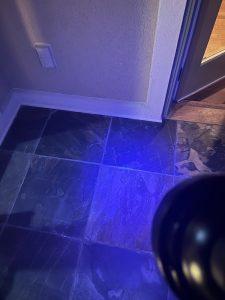
A regular routine keeps tile smelling fresh. Remove dirt and bacteria often to prevent odor. For stronger smells, use white vinegar and water. Spray, let sit, then wipe away.
Other natural options include baking soda or borax powder. Each absorbs odors and leaves tiles clean.
Always follow product instructions. Wear gloves when handling harsh cleaners. Test solutions on a hidden area first to avoid discoloration.
Professional tile floor cleaning services offer a variety of services and products to clean, maintain, and restore tile floors. Tile and grout are porous materials that require periodic deep cleaning to remove all dirt, debris, and contaminants. Professional cleaners have the experience and expertise necessary to properly clean tile floors without damaging the tiles or grout. Cleaning methods vary depending on the type of tiles and the degree of soiling.
Methods include:
Professionals also seal tiles and grout to prevent stains. Regular expert cleaning extends the life of your tile and keeps it looking like new.
The upkeep of tile floors is a task that requires regular maintenance and attention. Regular vacuuming, spot cleaning of spills, and deep-cleaning solutions for tough stains are all essential for keeping tile floors in good condition. Additionally, preventive measures like using mats and avoiding abrasive cleaners can help protect the tiles from damage.
Maintaining a shiny finish on tiles can be achieved with the use of appropriate cleaning products, while techniques such as steam cleaning can keep tiles smelling fresh. Professional tile floor cleaning services are also available if more intensive cleaning is needed.
Contact Safe-Dry of Germantown today for professional tile cleaning!


