
Menu
Same-Day Service Available!
Hardwood flooring brings warmth and character into a home, but keeping it attractive takes more than occasionally running a mop across the surface. Dust, grit, oils, spills, pet residue, and cleaning products can gradually build up until once-bright flooring starts looking cloudy or uneven. Because those changes happen slowly, families may not notice them right away.
Homes throughout Germantown, Tennessee, 38139 often have wood flooring in busy living rooms, entryways, dining spaces, hallways, and kitchens. Each area faces a different kind of wear. Shoes bring particles indoors. Pets cross rooms after being outside. Children drop crumbs. Cooking leaves fine residue nearby. Everyday foot traffic presses loose soil against the finish.
Proper hardwood floor cleaning helps manage this buildup before it becomes difficult to remove.
Safe-Dry® of Germantown provides professional hardwood floor care alongside carpet, rug, tile, and other cleaning services for local households. Our goal is to help families maintain cleaner surfaces without turning routine care into an exhausting project.
Good maintenance begins with understanding what wood flooring actually needs.
Hardwood is durable, but it is not indestructible. Too much moisture can cause problems. Harsh chemicals can affect finishes. Dirt left underfoot can create gradual abrasion. Heavy product use may leave cloudy residue that makes a clean floor look dirty again.
Even homeowners who clean regularly can run into these issues if their method does not match the flooring.
Once you understand what happens when hardwood floors are not properly cleaned, prevention becomes much easier.
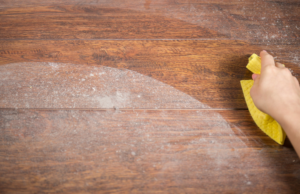
Loose dust seems harmless.
A little grit near an entryway may not look serious either.
Over time, those particles can act like tiny abrasives beneath shoes, socks, chair legs, pet paws, or furniture.
Every step moves grit across the finish.
Repeated contact can contribute to a dull appearance and visible surface wear.
High-traffic areas usually show this first.
A hallway may lose some of its shine while nearby corners remain brighter. Space between a kitchen and living room can appear more worn because family members travel through it constantly.
Routine sweeping, dust mopping, or vacuuming helps reduce this abrasion before it becomes a bigger issue.
The National Wood Flooring Association recommends regular sweeping, dust mopping, or vacuuming with an appropriate bare-floor setting to remove dust and dirt from wood surfaces.
Skipping those simple steps allows particles to remain where foot traffic can grind them against the finish.
Hardwood floor cleaning does not always need to involve liquid.
In many cases, dry soil removal is the most important first step.
A floor can lose its shine even when the wood itself remains in good condition.
Cleaning residue may be responsible.
Body oils can contribute.
Grease from nearby cooking areas may settle over time.
Dust can cling to those films.
Certain household cleaners leave behind more material than homeowners expect.
Layers slowly accumulate.
Eventually, sunlight reflects differently across the surface.
One area may appear hazy while another looks clear.
Families sometimes respond by applying even more cleaner, assuming the floor still contains dirt.
Additional product can make the problem worse.
Professional hardwood floor cleaning is useful when routine maintenance no longer removes a cloudy appearance.
A trained cleaning team can evaluate whether the concern appears to be surface soil, residue, finish wear, or another condition before deciding how to proceed.
More cleaner does not automatically produce a cleaner floor.
A concentrated product may leave residue when too much is applied.
Using a solution stronger than label directions recommend can have the same effect.
Sticky buildup then attracts new dust.
Footprints become more noticeable.
Pet hair clings easily.
Rooms may look dirty again only a short time after mopping.
This cycle often leads homeowners to clean more frequently, adding another layer each time.
A better approach uses only an appropriate product in the recommended amount.
Finish-specific guidance matters because wood floors are not all identical.
The National Wood Flooring Association advises using a cleaner made specifically for the finish on a particular floor.
If you are unsure which finish is present, avoid experimenting with strong chemicals.
Professional guidance can prevent a simple cleaning problem from turning into finish damage.
Wood and standing water are a poor combination.
A heavily saturated mop may push moisture into seams between boards.
Liquid can remain near edges.
Repeated wet cleaning may eventually affect both finish and wood.
The National Wood Flooring Association specifically advises against wet mops and steam mops for wood flooring because prolonged moisture exposure can damage finishes and wood over time.
Excess water can also contribute to cupping, swelling, cracking, or other changes depending on flooring construction and moisture exposure. NWFA guidance warns against leaving wood floors wet and recommends using a damp mop while ensuring surfaces dry quickly.
Households sometimes make this mistake because mopping feels more thorough when plenty of water is involved.
Hardwood care requires almost the opposite mindset.
Controlled moisture is better.
A lightly damp method can remove surface soil without soaking seams.
Professional hardwood floor cleaning should also respect how sensitive wood can be to excessive moisture.
Steam machines are marketed for many household surfaces, which can make them seem convenient.
Hardwood requires more caution.
Steam combines heat and moisture.
Repeated use can place stress on both finish and wood beneath it.
NWFA maintenance guidance advises against steam mops on wood floors.
A product being labeled as a general floor cleaner does not automatically make it appropriate for every hardwood installation.
Always check flooring manufacturer recommendations before using powered cleaning equipment.
If documentation is no longer available, a flooring professional may be able to help identify suitable maintenance options.
One of the simplest hardwood care habits is also one of the most important: clean spills promptly.
Liquids left sitting can move toward seams.
Sticky drinks can dry into residue.
Food oils may create dull spots.
Pet accidents may leave odor or discoloration.
Quick response prevents many of these problems from becoming larger.
NWFA recommends cleaning spills immediately with a dry or slightly damp cloth.
Start by absorbing liquid.
Avoid spreading it across a wider section.
Use a clean cloth.
Then follow appropriate care guidance for the floor.
Leaving moisture until later increases the chance that it will move where surface cleaning cannot easily reach.
Pets add a lot of joy to a home, but accidents require quick cleanup.
Urine can create odor and may affect finishes if left sitting.
Repeated accidents near the same doorway, corner, or feeding area can become especially noticeable.
Pet urine removal on carpet differs from cleaning a hardwood surface.
Carpet can absorb contamination into fibers, backing, and padding.
Wood presents a different set of concerns, including seams, finish condition, and moisture sensitivity.
Blot pet accidents quickly.
Avoid flooding the area.
Use only products considered suitable for the flooring.
Strong pet odor eliminator products designed for carpet or fabric should not automatically be applied to hardwood.
When pet odor removal involves several surfaces, mention all affected materials during professional service.
A household may need hardwood cleaning in one room and pet stain removal or carpet cleaning somewhere nearby.
Wood flooring occupies a large visual area.
When it becomes cloudy or dusty, everything around it may feel less clean.
Furniture can be spotless.
Counters may shine.
Walls can look fresh.
A dull floor can still make the space seem unfinished.
This is one reason homeowners often notice a big difference after deeper cleaning.
Removing built-up film can restore a more even appearance.
Edges may look cleaner.
Traffic paths can become less obvious.
A properly maintained surface also reflects natural light more consistently.
Professional hardwood floor cleaning is not necessarily about creating an artificial shine.
The goal is a cleaner, more natural-looking surface without unnecessary residue.
Not every part of a home becomes dirty at the same speed.
Entryways receive outdoor soil.
Hallways collect repeated footsteps.
Kitchen-adjacent floors may encounter food residue or grease.
Dining spaces deal with crumbs and chair movement.
Family rooms experience children, pets, and daily activity.
A guest room may need far less frequent maintenance.
Cleaning schedules should match use.
Busy areas often benefit from quick dry-soil removal several times a week.
Less active rooms can be checked on a lighter routine.
Giving every space identical treatment can lead to overcleaning low-use areas while high-traffic paths continue collecting grit.
Corners and baseboard lines are easy to miss.
Standard mopping may glide through open areas while leaving debris around edges.
Pet hair accumulates there.
Fine dust settles.
Crumbs can get pushed into narrow spaces.
Over time, an otherwise clean room may develop a darker border around perimeter areas.
Use a soft vacuum attachment or appropriate dusting tool to clean those sections.
Avoid scratching trim or flooring.
Periodic attention keeps hidden debris from spreading back across the open floor.
Furniture adds another source of wear.
A tiny piece of grit beneath a chair leg may create repeated friction each time someone sits down or stands up.
Dining rooms are especially vulnerable because chairs move constantly.
Protective pads can help.
Check them periodically because worn pads may stop protecting the surface.
Vacuum or sweep beneath tables before visible debris accumulates.
Furniture should be lifted when safely repositioning it rather than dragged across wood.
Small maintenance habits can prevent scratches that cleaning alone cannot reverse.
Much of the dirt found indoors begins outside.
Shoes carry soil.
Rain brings moisture.
Pets track mud.
A good entry mat captures some of that material before it reaches hardwood.
Clean mats regularly so they do not become another source of dirt.
Removing shoes indoors can reduce tracking when that habit works for the household.
Pet owners may keep a towel near exterior doors during wet weather.
Prevention reduces how often deeper cleaning becomes necessary.
Many homeowners reach for a mop first.
Dry cleaning should usually come before moisture.
Sweep loose debris.
Use a dust mop.
Vacuum with the appropriate hard-floor setting.
Once particles are removed, damp cleaning can focus on films and light residue instead of turning loose dust into muddy streaks.
This sequence also reduces abrasion while mopping.
Dragging grit beneath a damp pad can scratch surfaces.
A cleaner pad works more effectively and requires less pressure.
Pick up toys, pet bowls, lightweight rugs, and anything else sitting across the area.
You do not need to empty an entire room.
Creating an open path simply makes cleaning more consistent.
Sweep, dust mop, or vacuum using an appropriate hard-floor setting.
Move slowly.
Pay attention to corners and edges.
Loose grit should be removed before moisture enters the process.
Look at dining areas, kitchens, entryways, and pet zones.
Address individual spots before cleaning the whole floor.
Use a method suitable for the finish.
Follow manufacturer guidance whenever possible.
Avoid assuming that one universal household cleaner belongs on every finish.
NWFA recommends using products made specifically for a floor's finish.
A damp cleaning pad or mop is generally preferable to a soaking-wet one.
Wring out excess liquid.
Do not leave puddles behind.
Clean one section at a time.
This makes it easier to notice streaks, residue, or unexpected reactions.
Small sections also dry faster.
Aggressive pressure can affect finishes.
Let an appropriate cleaner do its job rather than trying to grind away every spot.
Stubborn marks may need professional evaluation.
Good airflow helps.
Avoid letting liquid sit in seams.
NWFA guidance emphasizes keeping wood floors from remaining wet.
Do not cover a damp area immediately.
Wait until flooring is fully dry.
Moisture trapped beneath rugs can create unnecessary problems.
Walk through the room once everything is dry.
Look for haze, streaks, sticky areas, or footprints.
Persistent film may indicate that product buildup remains.
A tough stain can make strong chemicals tempting.
Bleach and ammonia-based products may be too aggressive for many wood finishes.
NWFA homeowner guidance advises against harsh chemicals such as bleach or ammonia because they can strip or damage finishes.
A damaged finish exposes wood to greater risk from moisture and everyday wear.
Strong chemicals can also create uneven sheen.
One spot may look noticeably different after cleaning.
Use the mildest appropriate method.
When a stain does not improve, professional hardwood floor cleaning can be safer than increasing chemical strength.
Vinegar appears in many home-cleaning recipes.
Natural does not automatically mean universally safe.
Acidic solutions can affect certain finishes, particularly when mixed too strongly or used repeatedly.
Flooring manufacturer instructions should guide care.
If vinegar is not specifically recommended, choose a product designed for the finish instead.
Homemade solutions are difficult to evaluate because concentration varies.
A small difference in mixing can change how strong the final product becomes.
Some homeowners use oils to make hardwood look shinier.
A freshly applied coating may initially look attractive.
Later, it can attract soil or interfere with future maintenance.
Surface slickness also becomes a concern.
Children and pets need secure footing.
Products not designed for a particular finish may leave uneven buildup.
Professional hardwood floor cleaning focuses on removing soil rather than simply covering dullness with a temporary layer.
A truly clean surface should not depend on greasy shine.
Residue can make it difficult to determine what condition the floor is actually in.
A dull section may be dirty.
It might be coated in old cleaner.
Finish itself could be worn.
Scratches may be present underneath buildup.
Cleaning helps reveal which issue exists.
This distinction matters because professional cleaning cannot repair every type of damage.
Deep scratches, worn finish, cupping, or other structural concerns may need a flooring professional rather than additional cleaning.
Recognizing limits helps homeowners avoid spending time on the wrong solution.
Routine hardwood floor cleaning is meant for normal household soil.
Flooding, plumbing leaks, or standing water require another response.
EPA guidance emphasizes moisture control and recommends drying water-damaged materials promptly to reduce mold risk.
Wood affected by significant water intrusion may need professional drying or restoration.
Do not treat major water damage like a normal mopping problem.
If boards are cupping, swelling, buckling, or staying damp, cleaning alone is unlikely to solve the issue.
A mop collects soil as it moves.
If water becomes heavily contaminated, continuing to use it can spread dirt back across the floor.
Cleaning pads deserve regular attention too.
Replace or rinse them according to product instructions.
Starting with a clean tool helps reduce streaks.
Homeowners sometimes blame flooring products for cloudy results when the mop itself is redistributing soil.
Simple equipment care improves routine maintenance.

Hair behaves differently once it gets wet.
Dry pet hair is easier to vacuum or sweep.
When damp, it can stick to flooring, mops, baseboards, and furniture legs.
Pet-friendly homes should remove loose hair before using a damp pad.
This also prevents hair from forming small clumps that get pushed into corners.
A quick vacuum pass saves time later.
Wood flooring near kitchens often receives a combination of crumbs, grease, water droplets, and foot traffic.
Invisible cooking residue can gradually create a dull film.
Clean spills promptly.
Sweep food particles.
Pay attention to areas around sinks and dishwashers where water can reach the floor.
Mats may help in certain locations, but they should stay clean and dry underneath.
Repeated exposure to moisture is especially important to control.
Chairs move.
Food drops.
Drinks spill.
Feet move beneath tables.
Dining rooms may show scratches and dullness sooner in high-use households.
Protective furniture pads help reduce abrasion.
Vacuum underneath tables regularly.
Clean spills before they dry.
Avoid letting sticky residue remain under furniture where it can collect dirt unnoticed.
Pets should not make hardwood feel impossible to maintain.
Keep nails appropriately trimmed according to veterinary guidance.
Wipe muddy paws.
Vacuum hair.
Clean accidents quickly.
Use washable mats near food and water bowls.
Move those mats occasionally to inspect the flooring underneath.
Water bowls can create repeated moisture exposure if splashing is common.
A dry surface is easier to protect.
Daily care manages loose debris.
Weekly maintenance handles light surface film.
Professional service becomes useful when a floor stays dull despite regular cleaning.
Built-up residue can resist household methods.
Traffic areas may appear uneven.
Edges can collect stubborn soil.
A professional cleaning appointment provides a chance to evaluate the broader surface and address buildup more consistently.
Safe-Dry® lists hardwood floor cleaning among services available through its Germantown location, which serves Germantown, Shelby County, and surrounding communities.
Families in 38139 can consider professional hardwood care when normal sweeping and damp cleaning stop delivering the look they want.
Many homes contain more than one flooring type.
Hardwood may run through living spaces while bedrooms remain carpeted.
An area rug could sit over wood.
Stairs may be carpeted.
A whole-home refresh may therefore involve several services.
Professional carpet cleaning addresses soft flooring.
Area rug cleaning focuses on removable rugs.
Hardwood floor cleaning requires moisture-conscious care appropriate for a hard surface.
Homeowners searching for carpet cleaning in Germantown may find it convenient to ask about hardwood areas during the same service discussion.
Safe-Dry® of Germantown provides both carpet and hardwood floor care locally.
Rugs help reduce wear in busy sections.
They also collect soil.
Fine particles can work through rug fibers and settle underneath.
If debris remains trapped there, movement across the rug can grind it against hardwood.
Lift smaller rugs periodically when safe.
Vacuum underneath.
Check for moisture.
Avoid putting damp rugs back onto wood.
Professional rug cleaning may help when a heavily used area rug contains embedded soil or pet-related buildup.
Oriental rug cleaning deserves special care because fibers, dyes, and construction vary.
Floors are not the only surface that collects household soil.
Couches gather dust, oils, pet hair, and food residue.
A freshly cleaned floor can make dirty furniture more noticeable.
Professional upholstery cleaning can complement hardwood or carpet care when an entire room needs attention.
Cleaning several surfaces does not mean every home requires every service.
Focus on what is actually showing buildup.
The phrase deep cleaning services can cover many types of work.
A method suited to carpet does not automatically belong on hardwood.
Tile cleaning differs from upholstery care.
Area rugs need their own evaluation.
Good cleaning respects material differences.
This is especially important in homes with mixed flooring.
Using one machine or solution across everything may create unnecessary risk.
Homeowners naturally ask about price.
Cost can vary based on floor size, condition, service area, soil level, and specific treatment needs.
A lightly soiled dining room differs from an entire level covered in stubborn residue.
When asking for an estimate, describe what you see.
Mention haze.
Point out sticky sections.
Explain previous cleaning products if you remember them.
Ask what service includes.
A clear conversation helps establish realistic expectations.
Affordable service matters, but price should not be the only consideration.
An overly aggressive cleaner or incorrect method can create expensive problems.
Compare process, experience, and surface knowledge along with cost.
Ask how moisture is controlled.
Ask what type of products are used.
Find out whether technicians evaluate flooring before work begins.
Quality care should protect the surface while improving cleanliness.
Cleaning removes soil.
It does not replace missing finish.
Deep scratches may remain.
Sun fading can create permanent color differences.
Boards damaged by water may need repair.
Severe wear could require recoating or refinishing.
Knowing this distinction prevents unrealistic expectations.
A professional cleaner can help identify when a concern appears to go beyond surface buildup, while a flooring specialist can provide repair or refinishing guidance.
Frequency depends on household activity.
Busy entryways and kitchens may need dry cleaning several times a week, while quieter rooms can often follow a lighter schedule.
Follow flooring manufacturer guidance whenever possible.
Avoid soaking wood floors.
NWFA recommends against wet mops and advises using a dry or slightly damp approach, depending on the situation.
NWFA advises against steam mops because heat and moisture can damage wood and finishes over time.
Residue from cleaning products, oils, dust, or finish wear may create a hazy appearance.
Using too much cleaner can make buildup worse.
Excess cleaning product is one possible cause.
Residue can attract additional dirt and create a tacky feel.
Not automatically.
Follow flooring manufacturer recommendations and use products appropriate for the specific finish.
Routine care can be pet-friendly when appropriate products and controlled moisture are used.
Keep pets away from damp areas until surfaces are dry.
Blot quickly.
Avoid flooding the area.
Use a product appropriate for the wood finish.
Persistent odor or visible damage may require professional evaluation.
Remove grit frequently, use furniture pads, avoid dragging objects, and keep entry areas cleaner.
Routine dry-soil removal helps reduce abrasive particles.
Repeated footsteps move soil and grit against the finish.
Busy areas also collect more body oils and outdoor particles.
Cleaning can remove soil and residue that dull appearance.
Permanent finish wear may require recoating or refinishing rather than cleaning alone.
Yes.
Dust and grit can collect underneath.
Make sure both rug and flooring are dry before putting the rug back.
Avoid excessive water, steam mops, and harsh chemicals that are not approved for the finish. NWFA specifically cautions against wet mops, steam, bleach, and ammonia-based cleaners.
Yes, when a cleaning company offers both services.
Safe-Dry® of Germantown currently provides hardwood floor care along with carpet and rug cleaning.
Significant water exposure should be addressed as a moisture or restoration issue rather than ordinary cleaning. EPA guidance emphasizes prompt drying after water damage.
Good hardwood care does not require constant mopping.
Dry maintenance does much of the work.
Sweep or vacuum loose soil.
Clean spills quickly.
Use an appropriate product only when needed.
Control moisture.
Keep entry mats maintained.
Check beneath rugs.
Wipe pet paws.
Inspect high-traffic areas before they become visibly dull.
These habits help protect both appearance and finish.
Professional hardwood floor cleaning can then serve as an occasional deeper reset rather than a rescue attempt after years of buildup.
A simple routine is easier on both flooring and family schedules.
Hardwood floors do not suddenly become dirty overnight.
Changes usually happen gradually.
A little grit reaches the entryway.
Cooking leaves a light film.
Pet hair settles near baseboards.
Cleaning products accumulate.
High-traffic paths begin looking less bright.
Because each change is small, buildup can continue for months before anyone realizes how different the flooring looks.
Proper hardwood floor cleaning helps interrupt that cycle.
Regular dry-soil removal reduces abrasive debris. Fast spill cleanup controls moisture. Finish-appropriate products help avoid unnecessary residue. Careful damp cleaning protects seams from excess water.
Professional service becomes useful when routine maintenance can no longer remove dullness or uneven buildup.
For families in Germantown, Tennessee, 38139, Safe-Dry® provides hardwood floor cleaning and other home cleaning services designed to help maintain cleaner household surfaces.
Homeowners who want detailed industry guidance can also review the National Wood Flooring Association's maintenance recommendations, which cover sweeping, vacuuming, spill response, moisture control, and finish-appropriate products.
If hardwood in your Germantown home looks cloudy after mopping, feels sticky, shows dark traffic areas, or simply does not respond to your usual cleaning routine anymore, deeper care may be worthwhile.
Reach out to Safe-Dry® of Germantown to discuss the condition of your floors, request an estimate, or schedule professional cleaning.
Clean hardwood should complement family life, not become another household worry. With better daily habits and professional help when buildup becomes stubborn, wood floors can remain a comfortable, attractive part of the home for years to come.


